
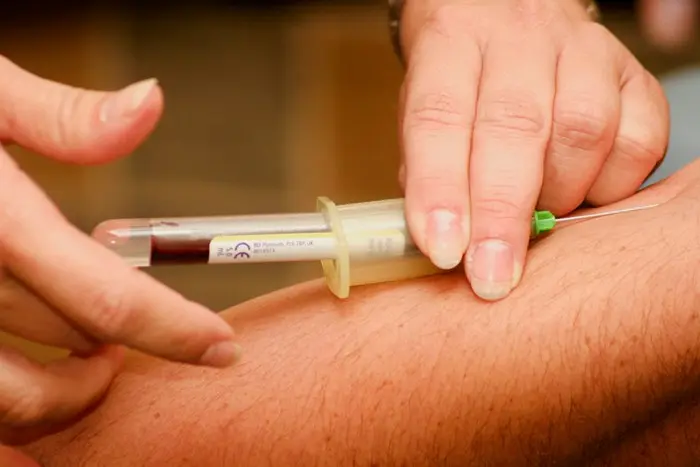
Understanding Cholesterol is not just about knowing its definition; it’s about comprehending its impact on our health and wellbeing. Cholesterol, often misunderstood and vilified, is actually a vital component of our bodies.
It’s essential for the formation of cell membranes, certain hormones, and vitamin D. However, when its levels in the blood become too high, it poses significant health risks, particularly to our cardiovascular system.
The key to a healthy life lies in balancing these levels. In this article, we aim to unravel the complexities of cholesterol and provide practical, evidence-based advice on how to keep it under control.
What is Cholesterol?
Cholesterol is a waxy, fat-like substance found in all cells of the body. It is transported through the bloodstream in small packages called lipoproteins. There are two main types of cholesterol: Low-Density Lipoprotein (LDL) and High-Density Lipoprotein (HDL).
LDL cholesterol is often referred to as “bad” cholesterol because high levels can lead to a buildup of cholesterol in arteries. On the other hand, HDL is known as “good” cholesterol because it helps remove other forms of cholesterol from your bloodstream.
While the body needs cholesterol to build healthy cells, having high levels of LDL cholesterol raises your risk for heart disease and stroke. This happens because excess cholesterol can form plaque, a thick, hard deposit that can clog arteries, making them less flexible.
This condition is known as atherosclerosis. If a clot forms and blocks a narrowed artery, heart attack or stroke can result.
Causes of High Cholesterol
High cholesterol can be attributed to a variety of factors, both controllable and uncontrollable. Dietary choices play a significant role; eating foods high in saturated fats, trans fats, and cholesterol can raise blood cholesterol levels. Additionally, lack of physical activity and obesity can contribute to high cholesterol by lowering HDL cholesterol.
However, not all causes are lifestyle-related. Genetics can also play a role in high cholesterol. Familial hypercholesterolemia is a genetic disorder that prevents the body from removing LDL cholesterol efficiently, leading to abnormally high levels from a young age.
Other factors like age and gender also influence cholesterol levels – as you get older, your body’s ability to clear cholesterol decreases, and women’s LDL levels tend to rise post-menopause.
Understanding these causes is the first step in effectively managing and reducing high cholesterol levels, thereby safeguarding your health against its potential risks.
Risks Associated with High Cholesterol
High cholesterol, particularly high levels of LDL (bad cholesterol), poses several health risks, primarily related to cardiovascular health.
The most significant risk is the development of atherosclerosis, a condition where cholesterol and other substances build up on the walls of arteries, forming plaque.
This buildup can narrow the arteries and make them less flexible, a condition known as hardening of the arteries.
If a plaque in an artery breaks open, it can cause a blood clot to form on its surface. If the clot becomes large enough, it can block the flow of oxygen-rich blood to parts of the body.
If this blockage happens in the heart, it results in a heart attack, and if it occurs in the brain, it leads to a stroke.
Moreover, high cholesterol can also lead to peripheral arterial disease, which affects the arteries to the legs, arms, and pelvis. Another potential risk is chronic kidney disease, as narrowed or blocked arteries can affect the kidneys’ functioning.
Dietary Changes to Lower Cholesterol
Diet plays a pivotal role in managing cholesterol levels. Here are some key dietary changes that can help lower cholesterol:
- Increase Soluble Fiber Intake: Soluble fiber can reduce the absorption of cholesterol into your bloodstream. Foods rich in soluble fiber include oats, beans, lentils, apples, and pears.
- Choose Healthier Fats: Reduce saturated fats found in red meat and full-fat dairy products. Opt for monounsaturated fats found in olive oil, avocados, and nuts.
- Eliminate Trans Fats: Trans fats, often found in margarine and store-bought cookies, cakes, and other snacks, can raise overall cholesterol levels.
- Eat Foods Rich in Omega-3 Fatty Acids: Omega-3 fatty acids don’t affect LDL cholesterol levels but have heart-healthy benefits. Include more fatty fish like salmon, mackerel, and herring in your diet.
- Limit Your Cholesterol Intake: Aim to eat less than 200 milligrams of cholesterol per day by cutting back on high-cholesterol foods like processed meat and full-fat dairy products.
- Increase Fruit and Vegetable Intake: Fruits and vegetables are high in dietary fiber, which can help lower cholesterol.
Lifestyle Modifications

In addition to dietary changes, lifestyle modifications can significantly impact cholesterol levels:
- Exercise Regularly: Regular physical activity can help raise HDL (good) cholesterol. Aim for at least 30 minutes of exercise most days of the week.
- Quit Smoking: Smoking lowers HDL cholesterol and damages blood vessels, accelerating atherosclerosis. Quitting smoking can improve your HDL cholesterol level.
- Lose Weight: Carrying extra pounds contributes to high cholesterol. Losing as little as 5% to 10% of your body weight can help reduce cholesterol levels.
- Limit Alcohol: Alcohol contains sugars and fats that can raise cholesterol levels. Limiting alcohol intake can help maintain a healthy cholesterol level.
- Manage Stress: Chronic stress may indirectly influence cholesterol levels by affecting your habits. For instance, stress can lead to overeating and reduced physical activity.
Medical Interventions
When lifestyle and dietary changes are not enough to lower cholesterol levels, medical intervention may become necessary. This typically involves medication:
- Statins: These are the most common medication for high cholesterol. They work by blocking a substance your body needs to make cholesterol, thereby lowering LDL (bad cholesterol), triglycerides, and raising HDL (good cholesterol).
- Bile-acid-binding Resins: These drugs work by binding to bile acids, prompting the body to use excess cholesterol to make more bile acids, which lowers the level of cholesterol in the blood.
- Cholesterol Absorption Inhibitors: These medications help reduce blood cholesterol by limiting the absorption of dietary cholesterol.
- Injectable Medications: Newer drugs, such as PCSK9 inhibitors, can lower LDL cholesterol levels and are typically used for people who have a genetic condition that causes very high levels of LDL.
It’s crucial to have regular consultations with a healthcare provider to monitor the effectiveness of these medications and manage any side effects.
Natural Remedies
In addition to medical treatments, certain natural remedies can support cholesterol management:
- Garlic: Some studies suggest that garlic can modestly lower levels of LDL cholesterol.
- Red Yeast Rice: It has compounds similar to statins and may help reduce cholesterol levels, but it’s important to consult with a healthcare provider before using it.
- Plant Sterols and Stanols: These substances, found in some margarines, orange juice, and functional foods, can help reduce cholesterol levels.
However, it’s important to note that while natural remedies can support cholesterol management, they should not replace prescribed medications. Always discuss with your doctor before starting any new supplement or remedy.
Understanding Food Labels
Being able to read and understand food labels is crucial in managing cholesterol:
- Look for Saturated and Trans Fats: Choose foods with low levels of saturated fats and avoid trans fats. These fats can raise your cholesterol more than anything else in your diet.
- Check for Dietary Fiber: Foods high in soluble fiber can help lower cholesterol levels.
- Understand Serving Sizes: Pay attention to the serving sizes listed and how they relate to your total food intake.
Cooking and Meal Planning
Cooking at home allows you to control what goes into your food, which is essential for managing cholesterol:
- Use Healthy Cooking Methods: Grilling, broiling, steaming, and baking are better than frying.
- Incorporate Heart-Healthy Foods: Use plenty of fruits, vegetables, whole grains, lean protein, and healthy fats in your meals.
- Plan Your Meals: Plan your meals in advance to ensure you’re eating a balanced diet that supports your cholesterol management goals.
- Experiment with Herbs and Spices: Use herbs and spices to add flavor without the extra cholesterol and fat.
- Stay Hydrated: Drinking plenty of water is good for overall health and can help in managing eating habits and cholesterol levels.
Lowering cholesterol is a crucial step towards a healthier life. With the right diet, lifestyle changes, and medical support, you can effectively manage your cholesterol levels.